Story
Stećci: the riddle of Bosnia's medieval tombstones
Scattered across the country in their thousands, these carved medieval tombstones are a UNESCO treasure — and still only half understood.
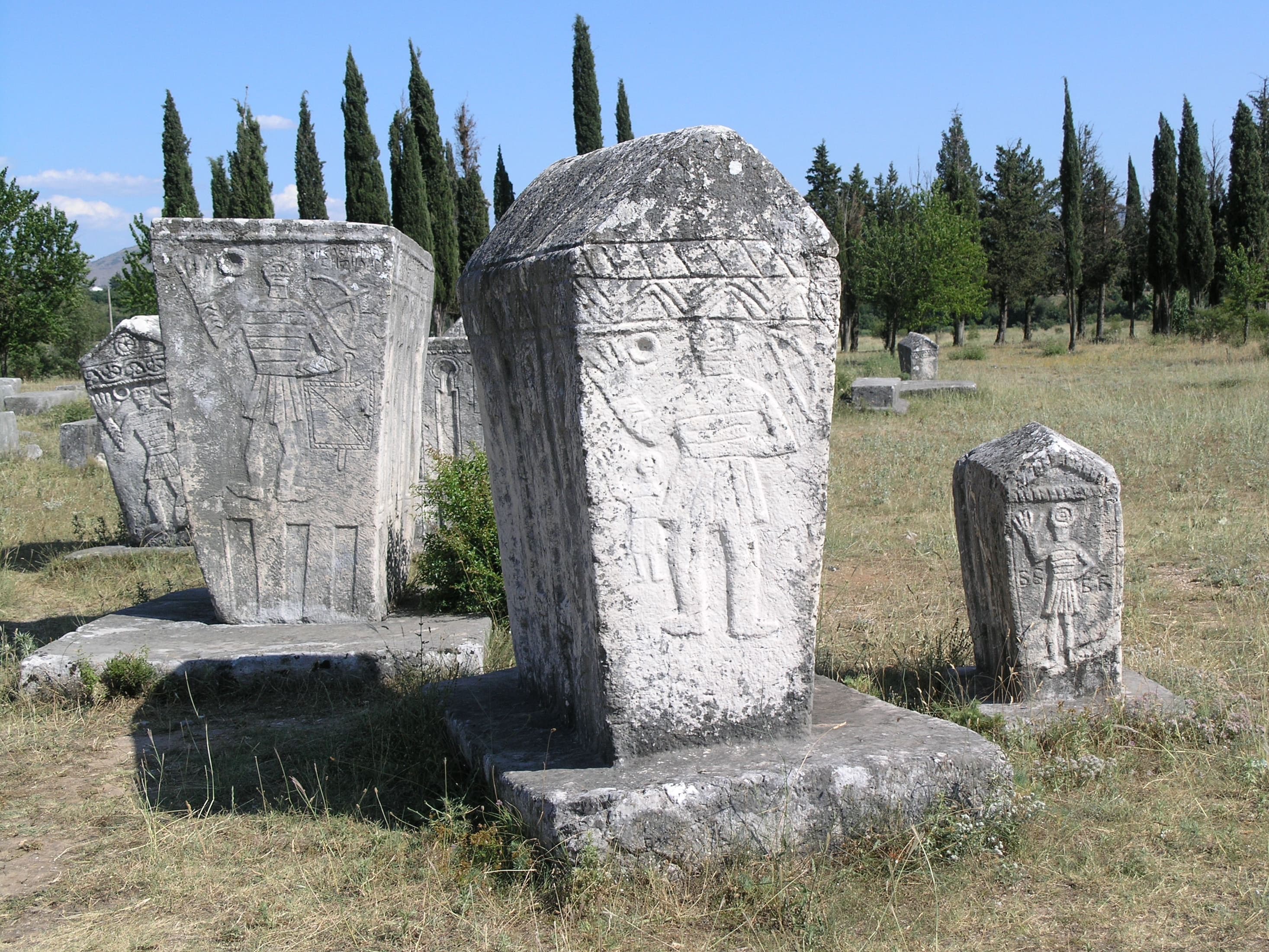
Walk almost any Bosnian highland and you'll eventually come upon them: massive stone slabs and chests, weathered grey, carved with spirals, crescents, vines, hunting scenes and human figures with one hand raised. These are stećci, the medieval tombstones that appeared across Bosnia, Herzegovina and the neighbouring lands between roughly the 12th and 16th centuries. There are tens of thousands of them, and a selection are inscribed on the UNESCO World Heritage list.
Who carved them, and exactly what their symbols mean, is still debated. They span the religious patchwork of medieval Bosnia, and their imagery — the raised hand, the dancing kolo, the sun and moon — feels at once familiar and unreadable, a message from a world we only partly understand.
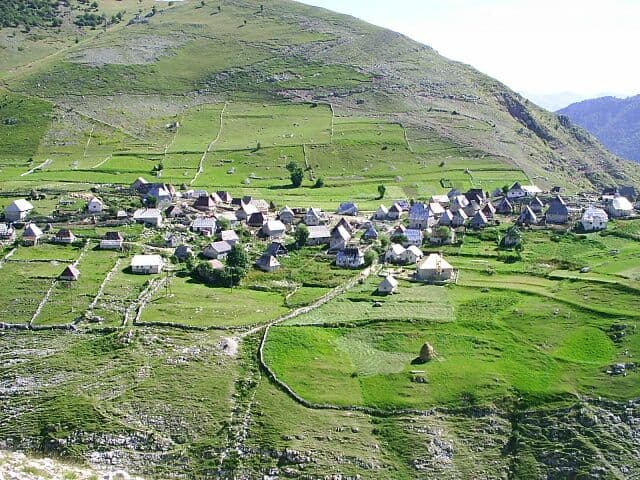
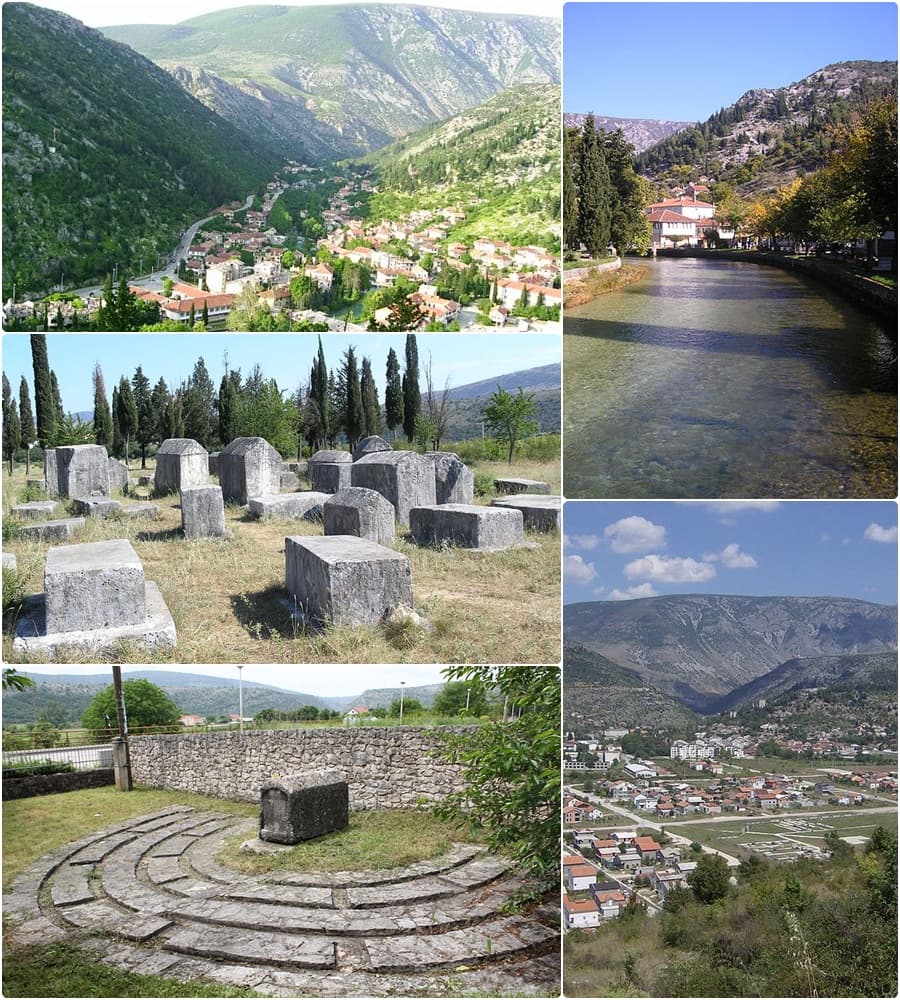
The necropolis at Radimlja near Stolac is the most accessible and spectacular concentration, but you'll meet them in lonelier places too — beside the highland village of Lukomir, for instance, where they sit among the grass with the mountains for company. Stop, look closely, and let the silence do the talking.