Story
Sarajevo: from Olympic city to siege, and back
In one short decade Sarajevo went from hosting the Winter Olympics to enduring the longest siege of a capital in modern history. Its recovery is the city's defining story.
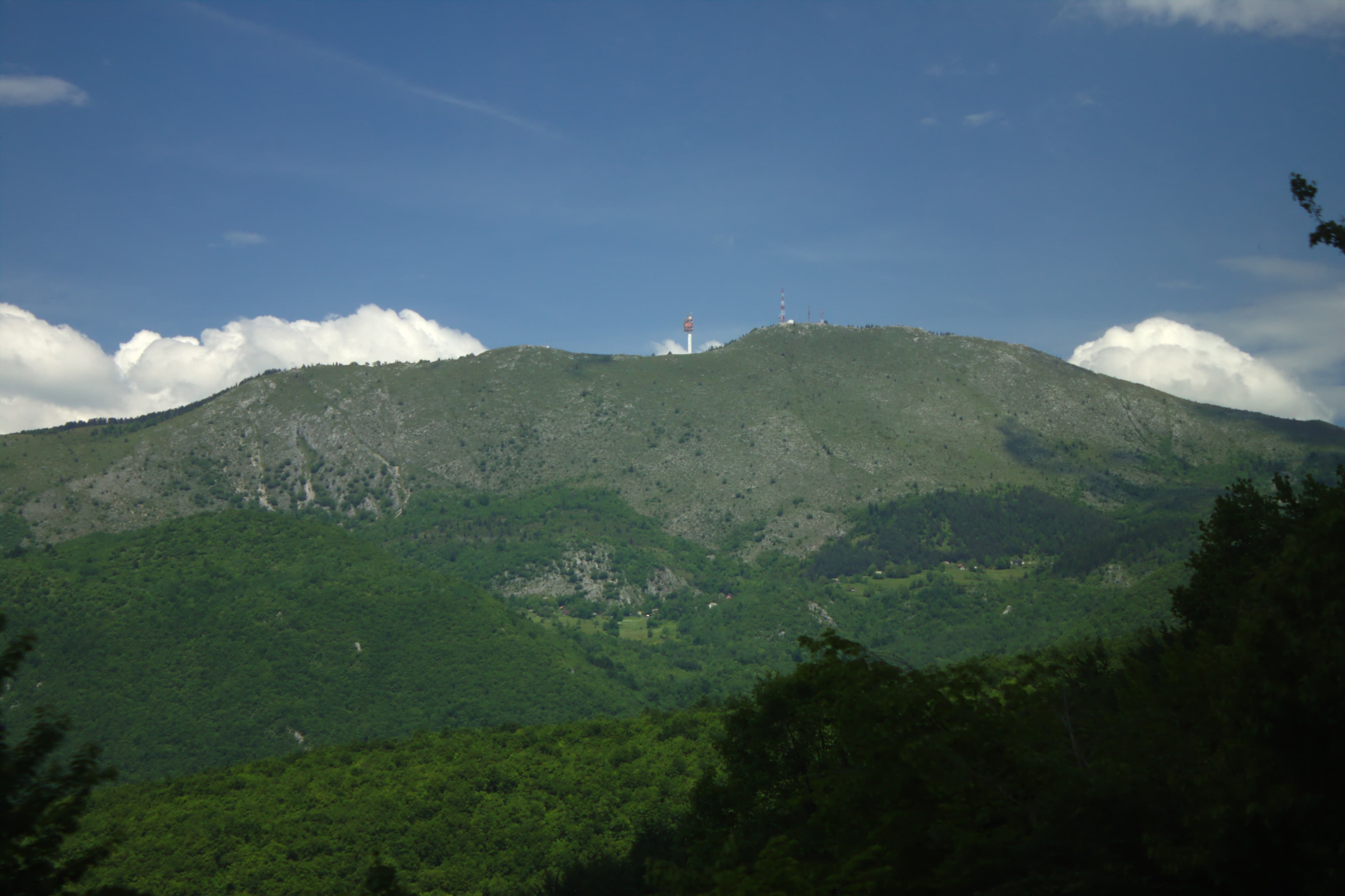
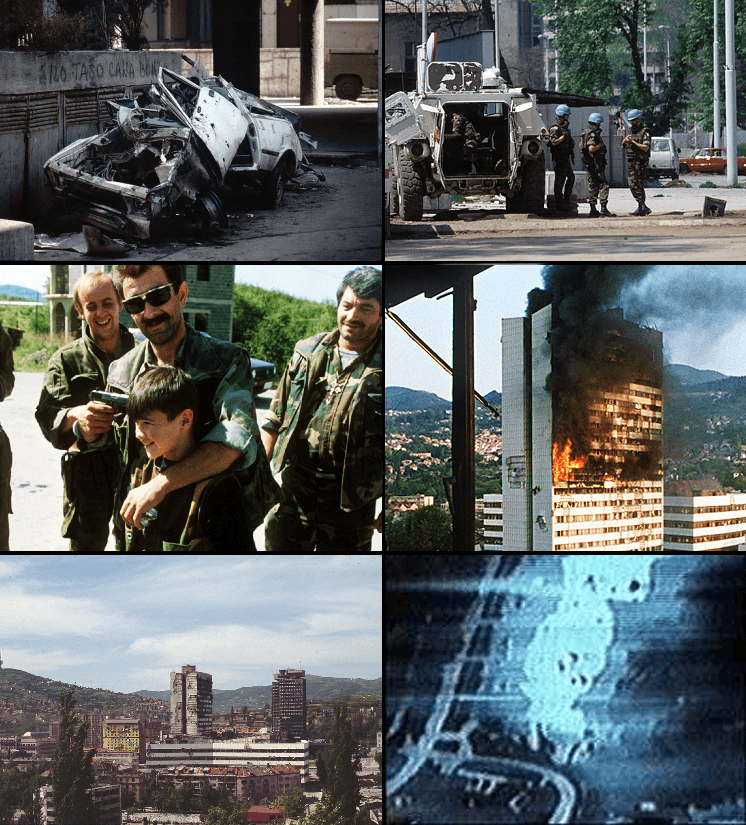
In February 1984, Sarajevo was the smiling host of the Winter Olympics. The bobsled track on Trebević, the ski runs on Bjelašnica and Jahorina, the Zetra ice hall — the whole city was a stage, and the world came to watch. Less than a decade later, those same mountains ringed a city under siege. From 1992 to 1996, for nearly four years — the longest siege of a capital in the history of modern warfare — Sarajevo was cut off and shelled from the heights around it.
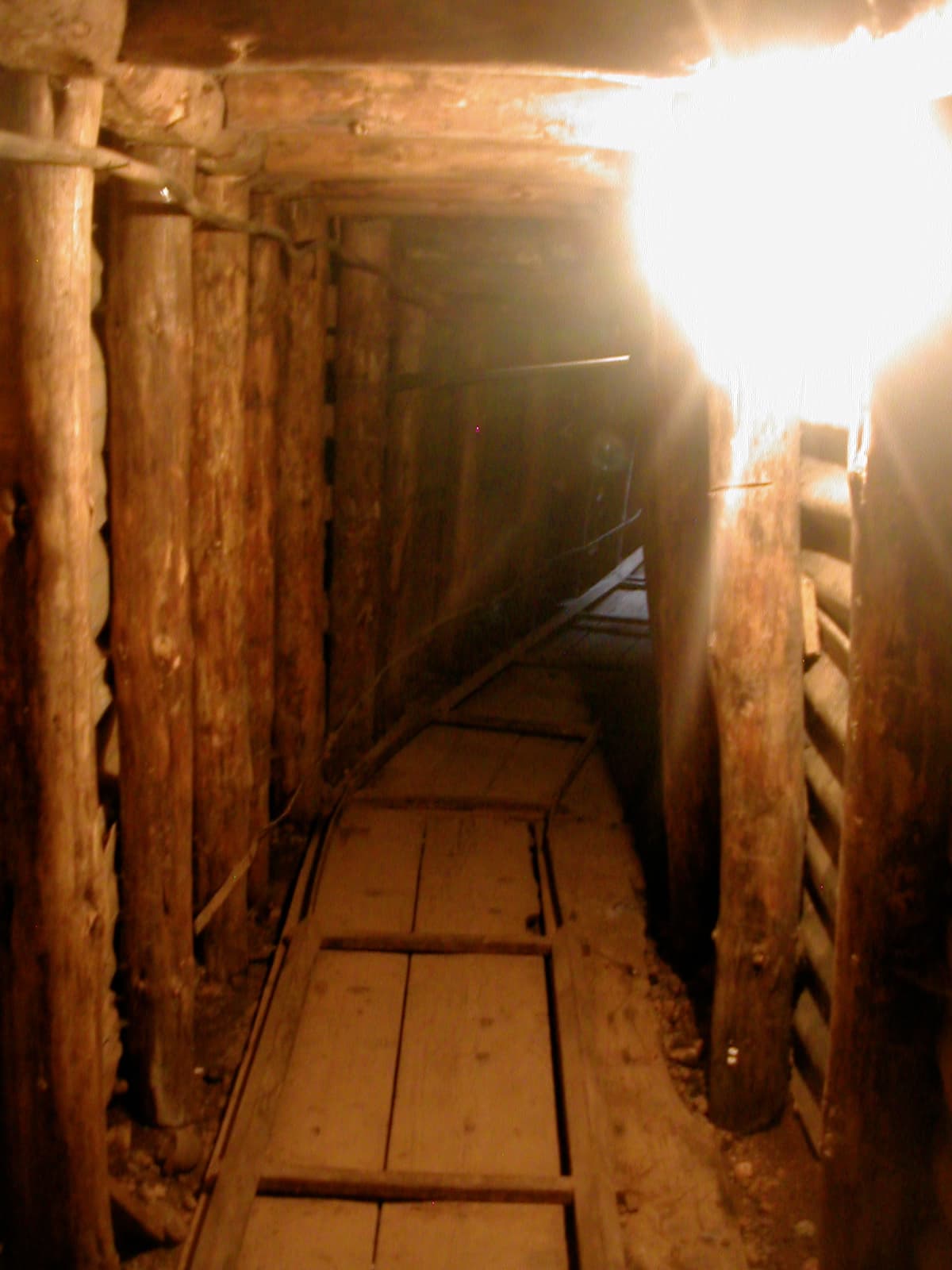
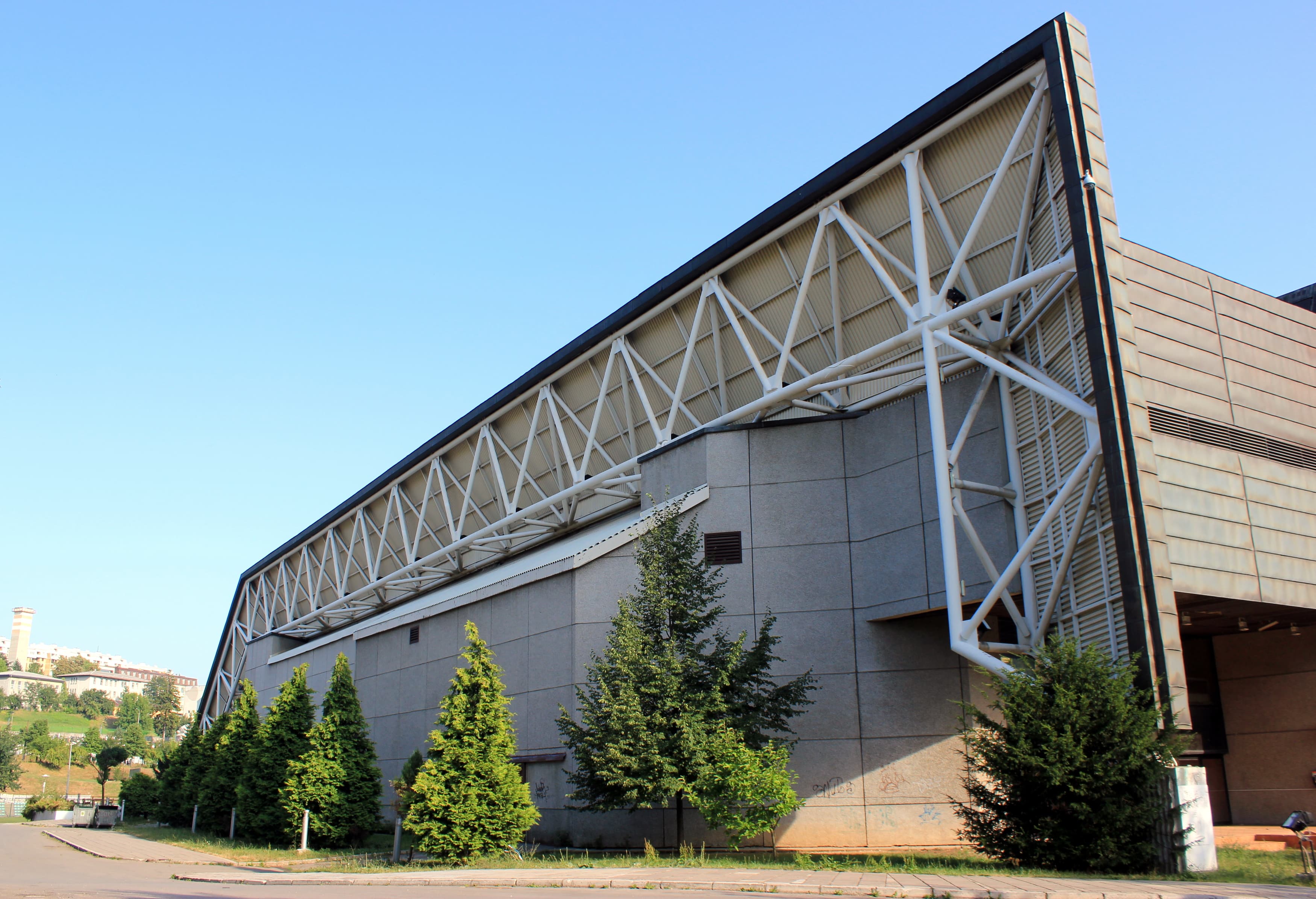
The traces are still here, if you look. The Zetra hall was burned and rebuilt. The bobsled track on Trebević lies abandoned and graffitied, a strange, melancholy ruin you can walk. The Tunnel of Hope, dug under the airport runway, was the city's single lifeline to the outside world; today it's a moving little museum. Pavement scars filled with red resin — 'Sarajevo roses' — mark where shells fell.
And yet the overwhelming feeling in Sarajevo today is not grief but life: packed cafés, a fierce sense of humour, the call to prayer braided with church bells. Visit the memorials with respect, let locals raise the past rather than pressing them on it — and then go and enjoy the city they fought to keep.